
How can I design an enriching travel itinerary?
The travel market is shifting towards three words: ‘meaningful’, ‘authentic’ and ‘wellness’. Particularly since the hiatus of the Covid pandemic, people have increasingly demanded more from travel. Without using AI, but rather leaning on my own lived experience as a travel business owner, I've put together a list of 9 ways you can make your next trip an enriching one.
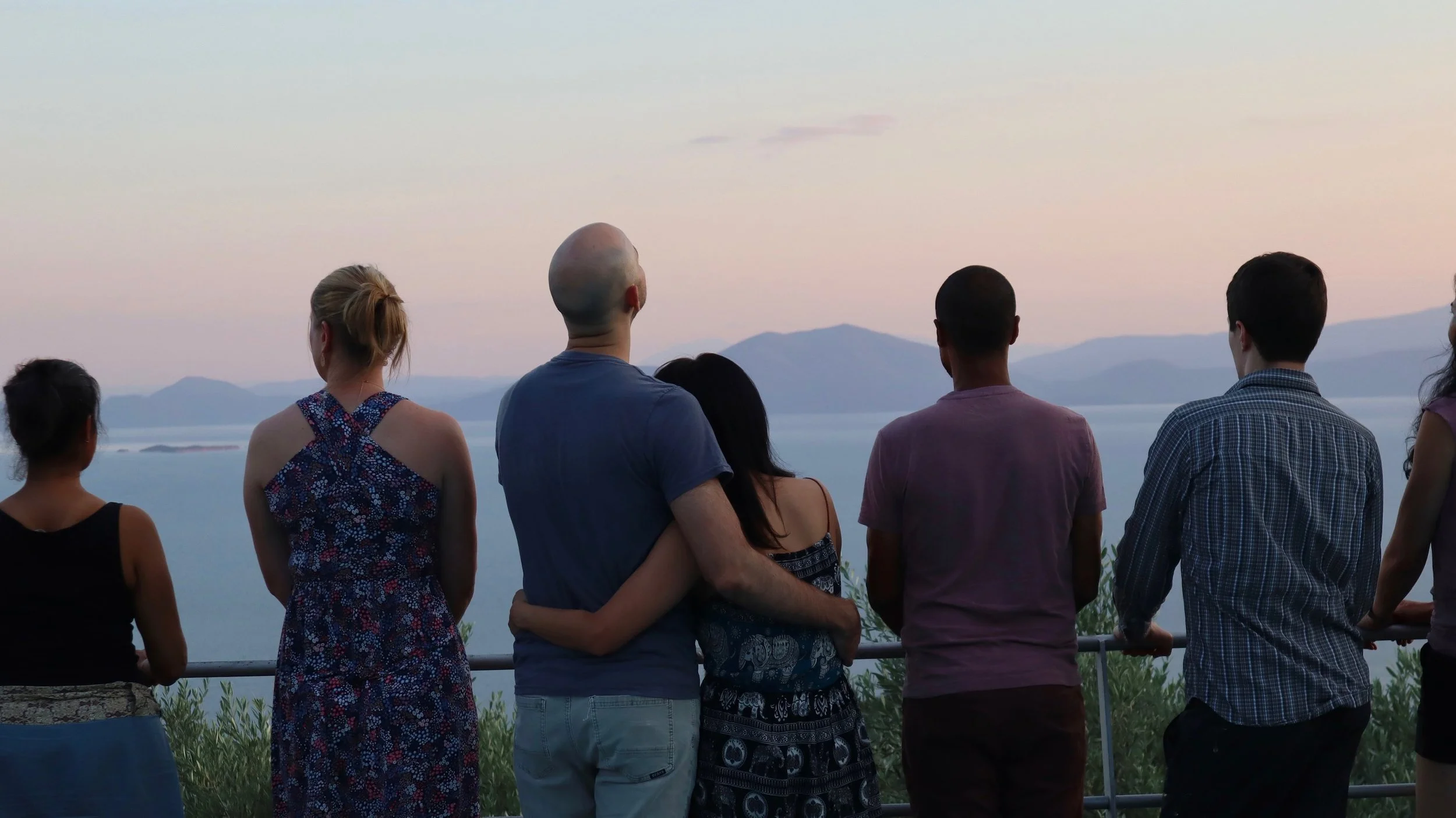
Private retreat guests enjoying that ‘WOW’ moment
Article chapters:
Post-pandemic travel context
9 Tips for designing enriching travel itineraries
Be present
Slow down - don’t try fit too much in
Be open - trust the open road
Look for experiences that make you, and the place you travel in, better
Learn the lingo
Carry local cash
Don’t rely on your phone (all the time)
Keep admin light
Let go of your ego
Post-pandemic travel context
During the Covid pandemic we were not allowed to travel at all and we got the chance to hit reset on our traditional patterns. Many of us became more focused on wellness, good routines and investing in ourselves as a project. We got used to signing up for courses and taking up hobbies. Some of us also realised how damaging traditional travel has been - we watched in fascination as dolphins returned to the gradually cleaner canals of Venice, and people reclaimed the streets of Rome.
Concurrently, we are living through the biggest technological transformation since the Industrial Revolution - the rise of AI. As AI infiltrates every corner of our working lives, and bleeds into how we manage our homes, commute, choose partners, socialise, diagnose illness in our kids, you name it, we are increasingly less interested in just ‘looking’ at things, and taking the selfie in front of the famous monument - why? Because you can AI generate that image anyway, and you can also ‘experience’ the Eiffel Tower tour through a 3D headset. So if you and your AI clone can go anywhere and everywhere, what’s left to experience?
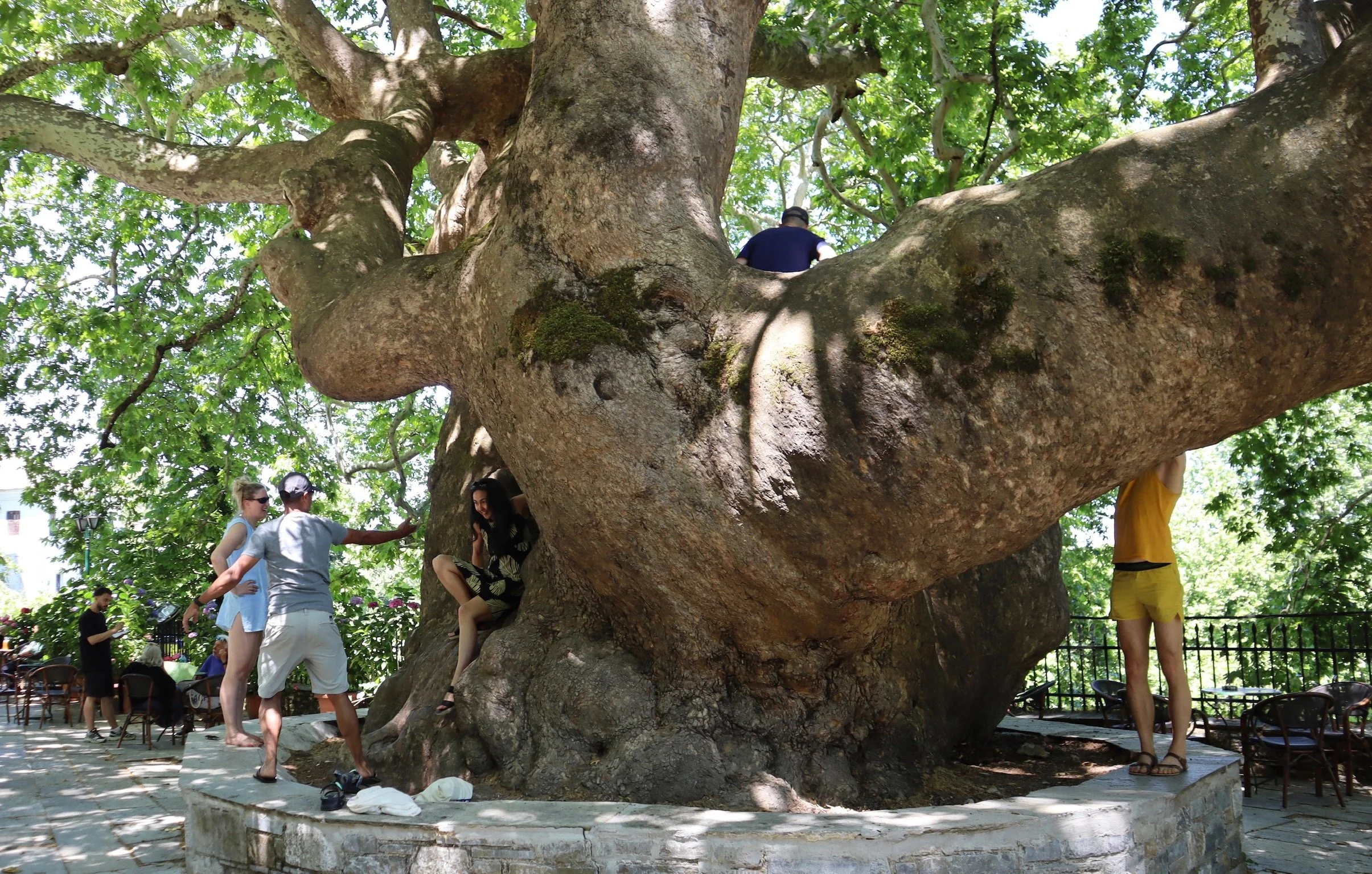
Tourism that get’s you to unplug and do something meaningful
This question arises out of shifting perspectives and priorities. As a result, we are increasingly seeking out travel as an ‘off-line’ novelty and escape from our hyper-online lives. I have recognised through working in the travel industry that people want something that feels real and they want to do stuff that grows them. People also want to increase energy levels, to feel healthy and rejuvenated through travel.
9 Tips for designing enriching travel itineraries
So I’ve put together a list of pointers on how to make travel enriching - how to take your ‘vacation’, and enjoy it, but also transform it into something unique, unforgettable and meaningful.
1.Cultivate presence
The first one is the most obvious one, and yet, it’s probably the hardest to achieve. No matter where you go, who you go with, what you see, do and eat, if you’re not aware of yourself in the present moment, it’s a half-lived experience. In our modern, stressful every day lives, we are mostly not present; we’re trying to complete multiple tasks at once, we’re self-medicating with all sorts of upper and downers to take the ‘edge’ of the day or night, we’re fatigued and straining, or we’re bored out of minds as we stare at a computer screen 80% of our waking hours. So, then you rush in a frenzy to the airport and jump on your flight to hit vacay mode, and what happens? You can’t chill out, you can’t switch off, you can’t be present. It’s so hard, but this one thing is the absolute key to making your travel meaningful. And at least trying to cultivate presence is the essential starting point before you undertake anything else. How to do it? We believe that integrating mindfulness movement and meditation sessions on every day of a travel trip helps to calm our minds and bring us into the present moment. These sessions don’t have to be complicated, advanced or long, but they help us bring the mind into alignment with our bodies. They help us notice our breathing, and they help us let go of the responsibilities and roles we play in the world we’ve left behind.
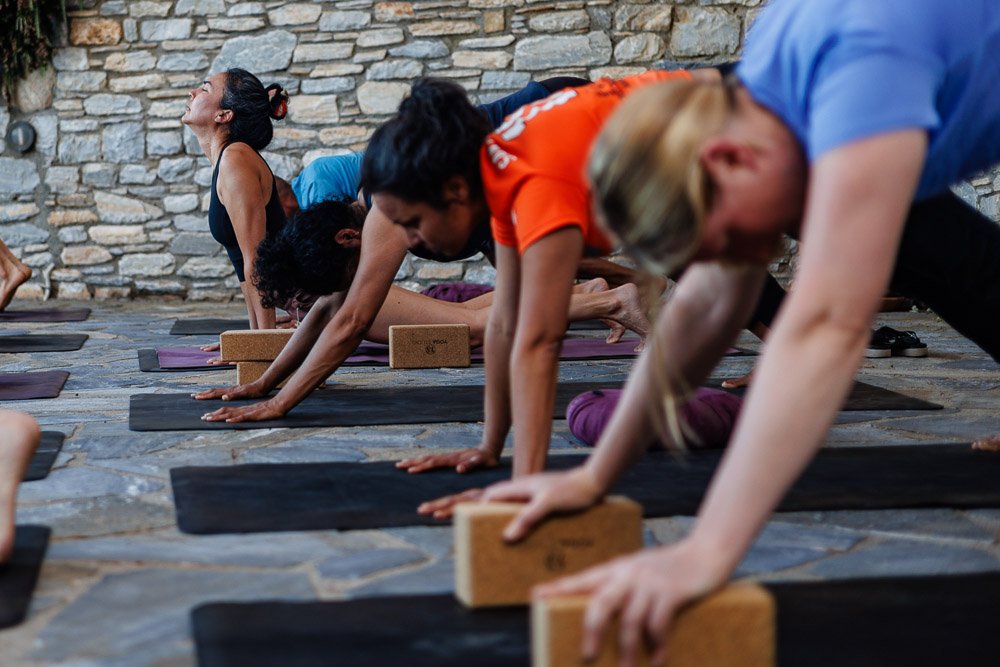
How can you be here, now?
2. Slow down - don’t try fit too much in
This is the most common mistake people make when planning a trip; they try to do too much, and they try to cover too much distance in too short a time. Think Contiki tour - 7 days, 8 EU countries. No thank you. All you’re left with is fatigue, constipation and a blur of buses, trains or planes. Enriching travel is not about how many places you visit, it’s about the quality of the time you spent there. People often ask me, as a person who has worked in the travel industry for over a decade, how many countries I’ve visited, as though just going to a place, or passing through it for a few hours is a triumph or accolade of some sort. It’s not. That stamp on your passport actually means nothing. So slow down. Plan to be in one place for at least 4 nights at a time; even longer if you can. Don’t try to pack your itinerary with tons of excursions. Make sure you can take up a serendipitous offer or local’s tip, make sure you have time to watch a village square come alive at dawn.
3.Trust the open road
Don’t be afraid of the unknown. The entire point of travel, in my opinion, is to open yourself up to new vistas, to be open to new perspectives, and through this to expand your humanity and understanding of the world we live in. If every aspect of your trip is predetermined and you’ve decided the ‘locals’ can’t be trusted, you’re closed off and you won’t have the transformative, enriching travel you were hoping for. Growth happens on the edge of your comfort zone, and magic happens when you are open to the unexpected - this is the meeting point you want to find yourself in as you set out on the open road.
“Enriching travel is not about how many places you visit, it’s about the quality of the time you spent there.”
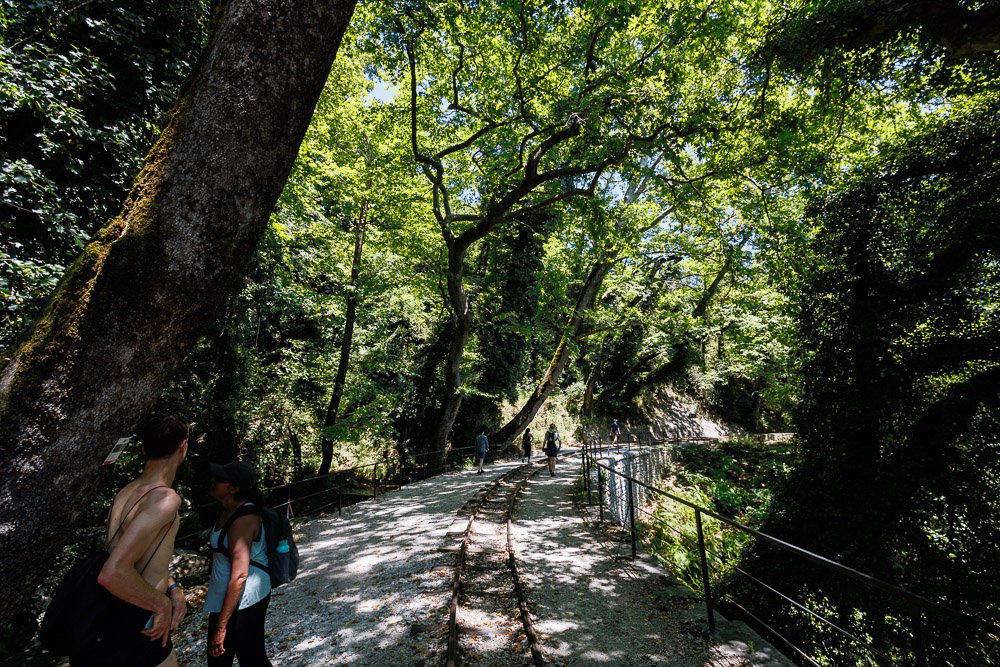
Trust the open road
4.Look for experiences that make you, and the place you travel, better
Do include in your slow paced, uncluttered itinerary, some kind of experience that requires you to get involved in the local community or environmental initiatives. This can be something small, like when you go shopping you choose to go to a local women’s beading workshop, rather than a high-street store. Or, if you’re planning lunch, choose to book a village tour and simple family hosted lunch, with proceeds going to under-resourced communities, rather than a Burger King chain. Or, it could be something more challenging like volunteering 3 hours to pick rubbish up off a beach, or 3 days to participate in turtle protection around hatching time. The overarching idea is that you want your trip (a privilege and luxury) to leave the place you travel better off. Through this, you will find a great deal of meaning and probably, some new skills. This is the foundational principle behind the term ‘regenerative tourism’ - read more about it in our previous article.
5.Learn the lingo
You do not have to be an expert in the local language, but learning day-to-day pleasantries is essential for having authentic and meaningful encounters. It is respectful and operates as an ice-breaker for any interaction, sending the message that you want to reach out and understand, rather than just stand back and watch. And no, it is not the same if you just use Google translate on your phone. This is useful in necessary circumstances (and has certainly saved me sometimes), but it’s no replacement for the eye contact, open smile and timely greeting in the local lingo.
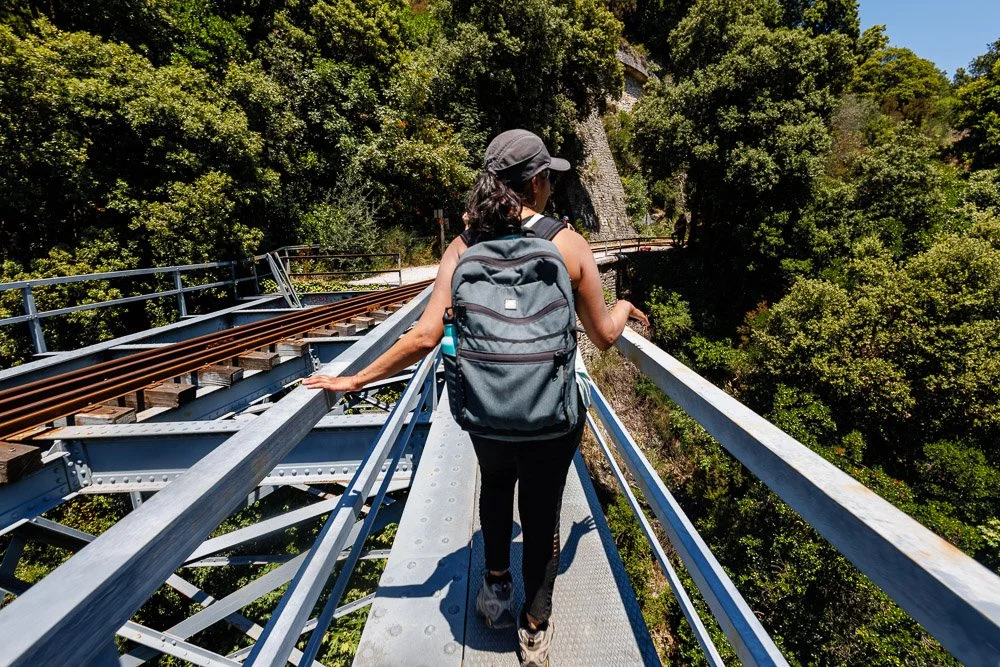
Can you navigate without your mobile device?
6.Carry local cash
This is so important for being able to tip people for helping you along your journey, as well as to make purchases or try things that are a bit off-the-beaten path. I increasingly see people arriving on trips with zero local currency. This means they end up only adding gratuity on top of the final bill the hotel gives them when they check out, or in an established, formal restaurant with card facilities. It also means that they end up not buying a small snack or offering from an informal vendor. These authentic, tangible interactions can unlock surprising opportunities.
7.Don’t rely on your phone
Although a mobile phone is essential, and I would never practically say, ‘don’t take one’; I will advise that you intentionally carve out time where you aren’t using it or relying on it. Can you still read a physical map? Would you take an analogue camera? What does walking through a new landscape feel like when you can’t capture anything with your mobile phone? Can you be in a place without snapping pictures? We tend to impulsively reach for a mobile device when we see something beautiful. It is as though we expect to ‘own’ the experience and make it real by capturing it digitally, but take a moment to pause and ask yourself what you are missing when fiddling with your phone? Ask yourself how you can be with the beautiful moment without trying to capture it or own it in some way.
“Don’t be afraid of the unknown. The entire point of travel, in my opinion, is to open yourself up to new vistas, to be open to new perspectives, and through this to expand your humanity and understanding of the world we live in.”
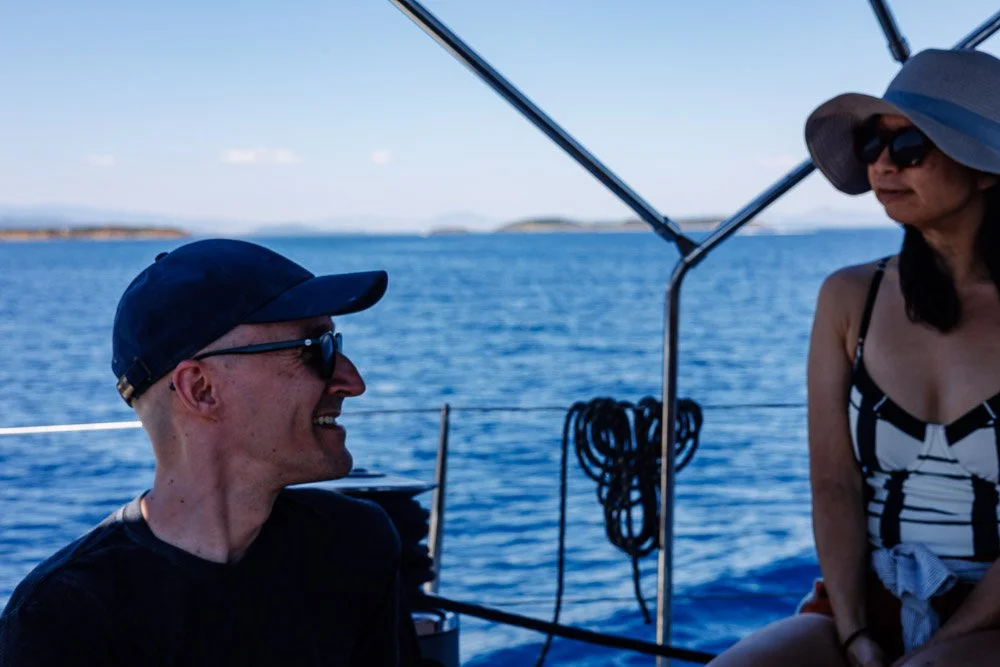
Zero stress is the ultimate luxury
8.Keep admin light
The admin required to curate a multi-layered, well-researched, seamless, unique, multi-day trip is considerable. If you have done this admin it is likely that you will carry the burden of the administrative foundation for the trip with you when you travel - ie. it’s hard to present, to put down your phone, to connect meaningfully with the environment whilst also being your own hyper-efficient concierge. In this case, you’re probably trying to fit too much in, and you’re probably trying to control every experience, leaving no room for the slow-travel, serendipitous magic. So plan to do less, and you’ll have less to worry about. Alternatively, if budget allows, let someone else take care of your trip planning; it’s like an investment in your peace-of–mind and ability to actually feel rejuvenated throughout the trip. Nothing could be more ‘luxury’ than not having to worry about the small stuff.
9.Let go of your ego
What happens when you look at your trip itinerary as The plan, rather than My plan? It’s a lot easier for you to accept delays, mistakes, confusions and mishaps that are part and parcel of travel when you don’t have ego attached to the trip. Mistakes, delays and mishaps happen to all of us, and there is no point in blaming anyone. Take it as part of the total experience and an opportunity to invite in the unexpected. You are also more likely to unlock positive possibilities for yourself if you respond to circumstances with understanding and patience. Complaining angry tourists are the worst, and are quickly met with obstructive responses. So what if you’re delayed, or can’t get into the gallery because someone else messed up the ticketing? You’ve got the day ahead of you and it's ultimately up to you and your mind set whether that day will be filled with wonder, or woe.
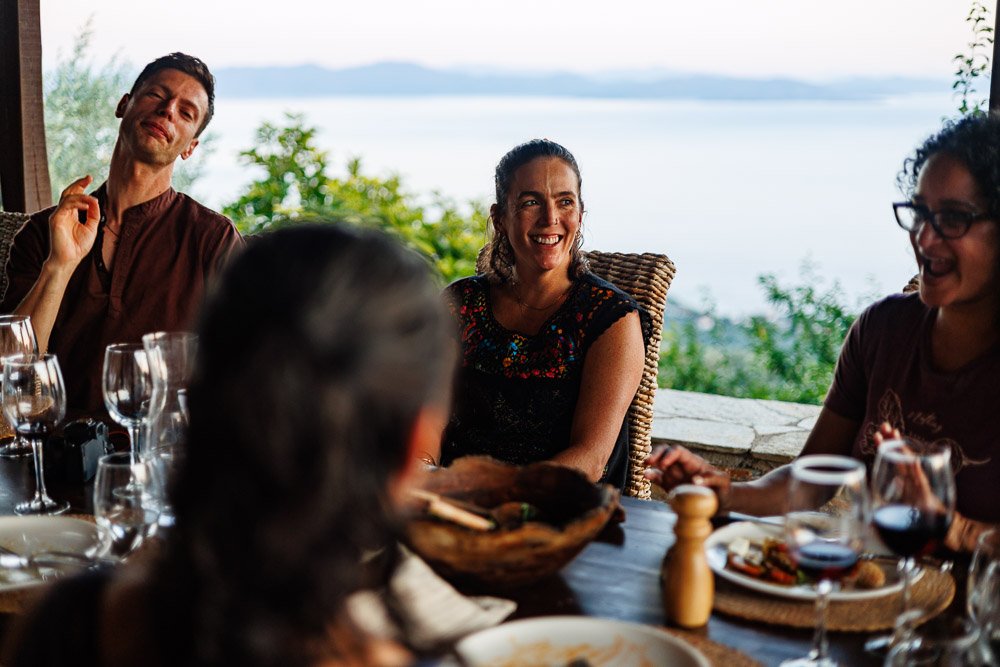
Travel that restores your energy reserves
Get a life-defining travel itinerary designed for you by experts in wellness travel at InRetreat